 Phone : +974 44420050
 Doha, Qatar




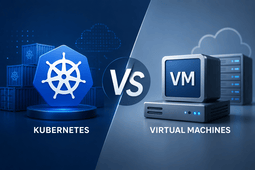
Kubernetes is highly capable, but it is not automatically the best answer for every workload.
It is designed for managing containerized workloads through automation, declarative configuration, and scalable orchestration.
However, a Kubernetes environment also requires operational maturity around:
• Networking
• Persistent storage
• Access management
• Monitoring
• Backup and recovery
• Security scanning
• Cluster upgrades
• Incident management
For a stable enterprise application with low deployment frequency and limited scaling requirements, a well-managed virtual machine may be easier and cheaper to operate.
Kubernetes makes the most sense where there are frequent releases, multiple containerized services, scalability needs, and teams capable of running the platform properly.
Which approach is more practical in your organization today: Kubernetes, virtual machines, or a hybrid model?






 Celebrating Excellence: Mr. Syed Rizwan ...